1. Safety and scope
The team explains what it can handle and which parts, like testing a site where drugs were made, need a different plan.
Newark, IL · Kendall County
Unknown powder, syringes and stained carpet in a Newark home all call for the same step. Stay out, keep others away and call (877) 812-4220 for removal, cleaning and disposal.
If anyone is in danger, call 911 first. For a suicide crisis, call or text 988.
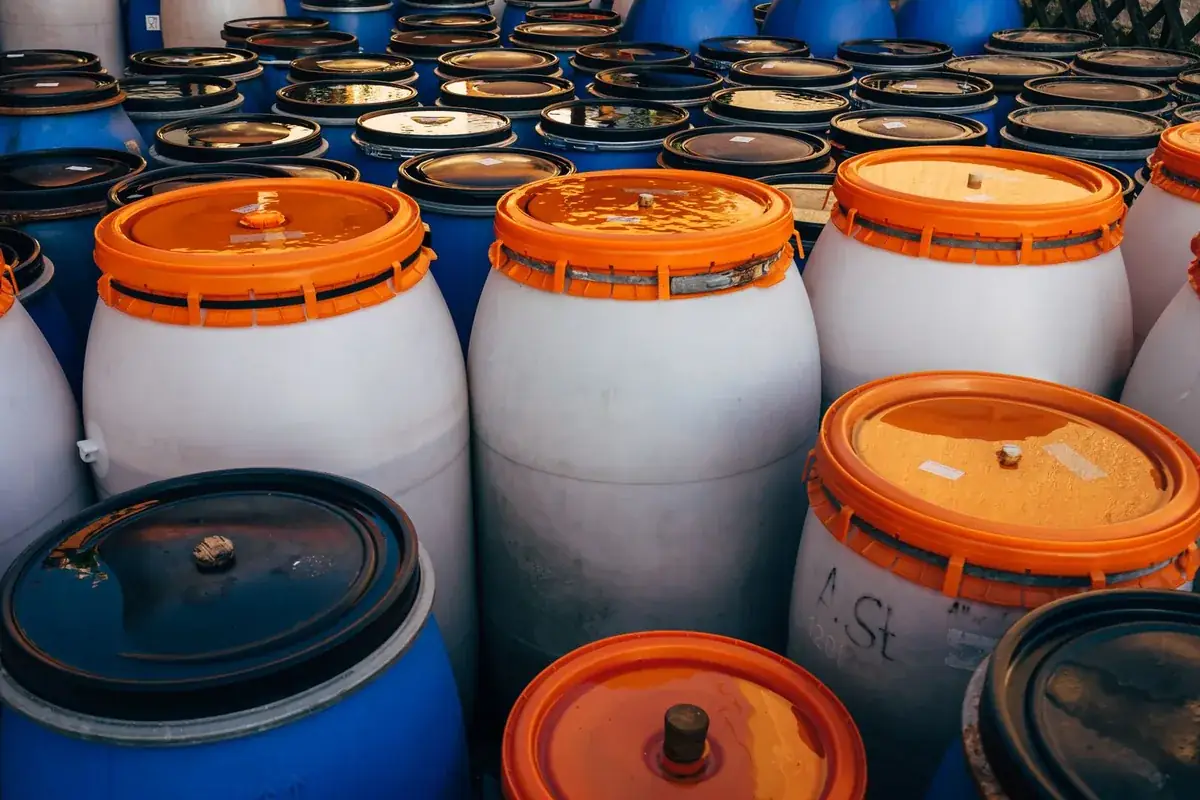
Biohazard cleanup for drug use covers removal of contaminated items, decontamination of surfaces, disposal of soft materials that cannot be cleaned and treatment of lingering odor.
Drug paraphernalia cleanup in Newark is a safety and dignity job, and you can ask Newark Biohazard Cleanup Help for that kind of care in Kendall County. The crew keeps details private, takes care with every item and explains what was done.
The vacancy rate in Kendall County is only about 3%, so most paraphernalia calls come from occupied homes, rentals and businesses. After a needle stick or exposure to an unknown substance, get medical care. Valley West Community Hospital in Sandwich is the closest emergency room to Newark.
The work often covers:
The team explains what it can handle and which parts, like testing a site where drugs were made, need a different plan.
Needles and other sharps are lifted and sealed before anything else is moved.
Floors, furniture and fixtures are cleaned. Porous materials that hold residue are cut out or removed.
Surfaces are disinfected, odors are treated, and a last walk-through confirms the space is ready.
The cost of drug paraphernalia cleanup in Newark, IL depends on the amount of material, how it is packed and how it is hauled.
Disposal of sharps and contaminated materials as regulated waste is part of the price, and it changes with the amount.
| Type of job | Typical range |
|---|
These ranges come from published cost guides () and are not a quote for Newark. Price drivers include amount of material, whether residue is present, surfaces affected, waste disposal. For a real number, call (877) 812-4220.
Often, yes. Many teams can arrive in an unmarked vehicle and work quietly. If privacy matters, ask about it when you call. The crew shares only what it needs to plan the work.
No. This page explains how drug paraphernalia cleanup works. It is not medical, legal or insurance advice. For symptoms, contact a doctor or Poison Control, and for legal questions, ask an attorney.
It is safer not to. You often cannot tell what an item or residue is, and hidden sharps are a risk. Do not mix cleaning products. A cleanup team has the protective gear and containers to do it safely, without judgment.
Loose syringes should never go in household trash, because they can stab sanitation workers. Other items may carry residue. A cleanup team seals and disposes of everything the safe way.
Some residues can harm people who touch them, and you cannot tell by looking which ones. That is why gloves are not a substitute for professional cleanup. If skin touches something unknown, wash with soap and water and call Poison Control.
Standard paraphernalia cleanup is about removal, cleaning and disinfection. Testing is a separate step, usually tied to a site where drugs were made. Ask the team and the local health department what testing, if any, applies to your property.
Describe what you found and ask how removal and cleaning would work.
Call (877) 812-4220